
Blood Work vs. Functional Medicine Labs: What's the Difference?
“A blood test can reveal an important health concern. Exploring nutrition, digestion, lifestyle, and environmental influences helps reveal a more complete picture of wellness.
When blood work shows elevated markers of inflammation, it's natural to wonder what's contributing to the body's inflammatory response. A healthcare provider can evaluate those findings, but an individual result may not explain the full picture of someone's health.
Could nutritional imbalances, digestive health, everyday stress, or environmental factors also be playing a role?
This is where a holistic, root-cause approach adds another perspective. In this blog, we'll explore how conventional blood work and functional wellness tracking differ, how they complement one another, and why identifying underlying imbalances can help guide a more personalized approach to wellness.
What Does Conventional Blood Work Reveal?
Conventional blood work plays an essential role in evaluating health, identifying medical conditions, and monitoring changes within the body. Tests measuring blood sugar, cholesterol, organ function, and inflammatory markers provide healthcare professionals with valuable information to guide medical decisions.
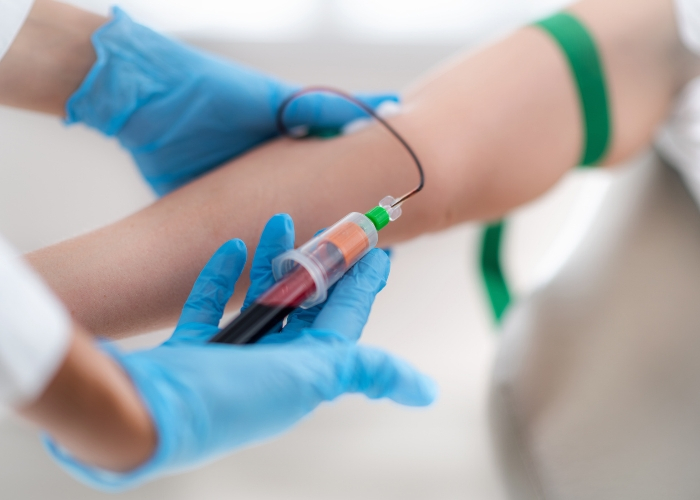
Many blood markers provide a snapshot of what is happening around the time of testing, while others reflect changes over a longer period. Although these results offer important information, an individual marker does not always reveal the factors contributing to a health concern.
As the National Library of Medicine explains, laboratory findings are most meaningful when considered alongside a person's medical history, physical examination, and other relevant information.
It is important to note that reading and evaluating conventional blood work is outside the scope of practice of an Integrative Health Practitioner (IHP) Health Coach. IHPs are not trained to read conventional blood panels through their certification. Their education instead focuses on holistic wellness principles and specific at-home functional medicine labs.
What Are At-Home Functional Medicine Labs?
Functional wellness tracking takes a whole-person approach to understanding how nutrition, digestion, stress, sleep, and environmental factors influence overall well-being.
At-home functional medicine labs can provide additional information through samples such as stool, urine, saliva, hair, or dried blood spots. Depending on the test and the reliability of its measurements, results can offer insight into areas such as digestive wellness, nutrient status, hormonal rhythms, fatty acid balance, and certain environmental exposures.
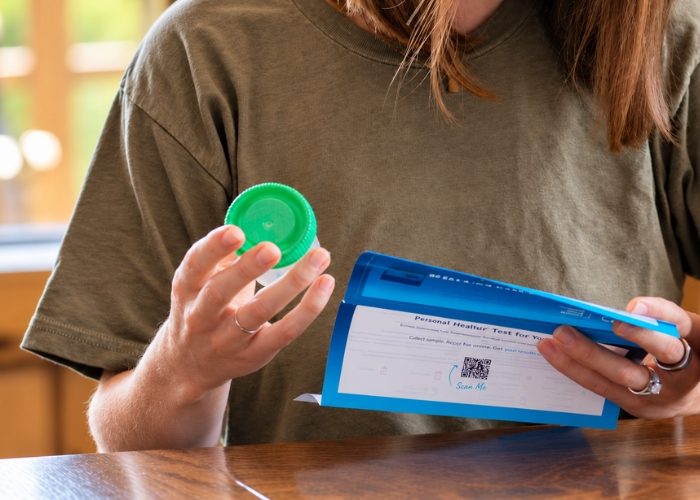
Like conventional blood tests, these labs collect information from a particular period. Their value comes from connecting appropriate findings with an individual's wellness history, daily habits, and goals, then observing meaningful changes over time.
Inflammation: An Example of Why the Root Cause is Important
Inflammation is a natural part of the body's immune response, helping protect tissues and supporting healing. However, inflammation that remains elevated over time can sometimes indicate an underlying health concern.
Imagine someone whose healthcare provider identifies elevated inflammatory markers during routine blood testing. The provider evaluates the findings and determines whether additional medical testing or treatment is necessary.
Meanwhile, the individual decides to work with an IHP Health Coach to explore their wellness from a holistic perspective.
Through conversations about nutrition, digestion, lifestyle habits, and environmental exposures, along with appropriately selected at-home functional labs, several areas might deserve closer attention:
Gut imbalances: Functional stool testing and digestive history may reveal patterns that warrant greater attention to gut health, nutrition, and appropriate medical follow-up
Low omega-3 levels: Fatty-acid testing may identify low omega-3 status, highlighting opportunities to improve nutritional intake and support healthy inflammatory function. The National Institutes of Health explains the role of omega-3 fatty acids in normal physiological processes
Environmental concerns: A history of mold or water damage may reveal environmental conditions worth investigating through appropriate assessment. The CDC recommends addressing moisture problems and mold growth in indoor environments
Depending on the individual, factors involving nutritional status, digestive health, and environmental conditions may influence the body's inflammatory processes. Exploring these areas can reveal opportunities for personalized wellness support that addresses the individual's unique needs.
These insights can help guide meaningful lifestyle conversations while the healthcare provider continues overseeing medical concerns.
How Can Personalized Wellness Protocols Support Lasting Improvements?
Returning to our example, the individual might incorporate more omega-3-rich foods into their diet, establish consistent sleep routines, and explore dietary habits that support digestive wellness. They may also arrange an environmental assessment to address concerns about moisture or mold in their home.
With ongoing education and encouragement, these changes can become part of their everyday routine. Over time, the individual might notice improvements in their sleep quality, digestive comfort, or daily energy.

As the individual continues making positive lifestyle changes, their healthcare provider can monitor inflammatory markers through follow-up blood work. Any changes in those results are evaluated within the context of their overall medical care.
Meanwhile, the IHP continues supporting the client's wellness goals through appropriate functional biomarker tracking, lifestyle education, and accountability.
By observing progress over time, individuals can recognize positive changes, make informed adjustments, and take a more active role in supporting their long-term health.
Can At-Home Functional Labs Replace Conventional Blood Work?
No. Conventional blood work remains essential for medical evaluation, while appropriately selected at-home functional labs can provide additional wellness information that routine blood panels may not examine.
These approaches complement one another, allowing individuals to receive appropriate medical care while exploring lifestyle strategies that support their overall well-being.
How Does IHPI Teach Root-Cause Wellness and Functional Biomarker Tracking?
At the Integrative Health Practitioner Institute (IHPI), students progress from foundational holistic wellness principles to functional biomarker education and more specialized areas of health.
IHP Level 1 introduces the DESTRESS Protocol™, teaching the foundational principles of nutrition, exercise, stress reduction, toxin removal, rest, emotional balance, supplementation, and mindset.
IHP Level 2 builds upon this foundation by teaching students to recognize patterns across hundreds of biomarkers through at-home functional medicine testing. Students learn to connect these findings with a client's lifestyle, wellness history, and personal goals to support individualized wellness education.
IHP Level 3 expands into specialized areas, including mold and environmental toxicities, heavy metals, neurotransmitter balance, fertility and menopause, and stress and sleep patterns. This training gives IHPs greater confidence when supporting clients with complex wellness concerns, helping them recognize interconnected patterns and provide personalized lifestyle guidance alongside appropriate medical care.
Throughout their education, IHPs learn to provide wellness support within their professional scope of practice, without reading conventional blood work or diagnosing and treating medical conditions.
To learn more about how these insights contribute to personalized wellness support, explore The Benefits of At-Home Functional Lab Testing.
Looking Beyond the Numbers to Support Whole-Body Wellness
Understanding health involves more than looking at a single laboratory result. It means recognizing how nutrition, digestion, daily habits, and environmental influences contribute to the body's overall balance.

When individuals understand these connections, they can take a more informed and proactive role in supporting their long-term wellness.
Ready to learn how functional biomarker tracking can help you support others? Schedule a call with an IHPI Enrollment Advisor to explore how the IHP certification pathway can help you develop these skills.