
How to Become the Health Coach in Your Home and Support Your Family’s Wellness
"The healthier habits you build together can shape how your family feels for years to come.
Updated July 2026: This blog now includes the latest IHP certifications available to help you deepen your knowledge and become the health coach in your home.
Becoming the health coach in your home means gaining the knowledge to look beyond individual symptoms and explore the deeper imbalances that may be affecting how your family feels.
Low energy, poor sleep, digestive discomfort, changes in mood, and other wellness concerns do not always occur in isolation. Nutrition, stress, movement, environmental exposures, emotional well-being, and daily habits can all play a role.
Becoming the health coach in your home does not mean diagnosing disease or practicing outside your scope. It means learning how to uncover potential root causes, support foundational wellness, and help your loved ones take purposeful steps toward reclaiming their health.
In this blog, you will learn how to recognize patterns, establish meaningful goals, create supportive routines, and use integrative health education to better support the people you love.
What Does It Mean to Be the Health Coach in Your Home?
The health coach in your home looks more closely at how family members feel, notices patterns across different areas of wellness, and helps create habits that reflect each person’s needs.

One family member’s fatigue may appear alongside inconsistent sleep and elevated stress. Another person’s digestive discomfort may seem connected to certain foods, rushed meals, or irregular routines.
Rather than offering the same general advice to everyone, you can begin asking more meaningful questions:
When did this change begin?
What else was happening at the time?
Which foods, environments, or habits seem to affect how this person feels?
What patterns appear across energy, digestion, sleep, mood, and recovery?
Which foundational area would be most realistic to support first?
You do not need to have every answer immediately. Becoming the health coach in your home begins with learning how to notice what may otherwise be overlooked.
1. Understand Your Family’s Current Wellness Needs
Before setting new goals, take an honest look at the habits, symptoms, challenges, and strengths already present in your home.
Consider the foundational areas that may influence well-being:
Nutrition and hydration
Digestion and elimination
Daily movement
Sleep and recovery
Stress and emotional wellness
Environmental exposures
Energy levels
Supplementation
The purpose is not to scrutinize every decision or turn family life into a constant health assessment. It is to establish a starting point so that each person can focus on the areas that may be affecting how they feel.
Look for Patterns Behind Symptoms
Symptoms can provide useful clues when you consider when they occur, what makes them better or worse, and which other changes appear alongside them.

A simple wellness journal can help your family track areas such as:
Energy throughout the day
Sleep and morning readiness
Digestion after meals
Mood and stress
Food choices and hydration
Movement and recovery
Changes in the home or surrounding environment
Over time, these details may reveal connections that are difficult to notice from one day to the next. The goal is not to diagnose the pattern but to gather information that can guide more personalized wellness decisions.
Consider Your Family Health History
Family health history can add context to the patterns you observe. Although certain concerns may appear across generations, genetics alone do not always determine what someone will experience.
Nutrition, stress, sleep, environmental exposures, and other lifestyle factors may influence how genetic tendencies are expressed. Understanding your family history can help you become more intentional about the foundational habits you support at home.
2. Define What Better Health Means for Each Person
One family member may want more consistent energy. Another may want to sleep through the night, feel more comfortable after meals, manage stress more effectively, or have the stamina to participate in activities they enjoy.
Begin by asking:
How would you like to feel differently?
Which part of your day feels most difficult?
What patterns have you noticed?
Which habit feels realistic to work on right now?
What support would help you remain consistent?
How will we recognize progress?
These conversations give each person a voice. They also allow you to offer support without making anyone feel pressured or controlled.
Turn Wellness Goals Into Practical Actions
Broad intentions are difficult to carry into everyday life. A clear action gives your family something specific to practice and evaluate.
Instead of saying, “We need to eat healthier,” you might decide to prepare balanced dinners at home four evenings each week.
Rather than saying, “We need more sleep,” you could create an evening routine that begins 30 minutes before bedtime.
Choose one or two actions connected to what your family wants to improve. Once those habits become consistent, you can build upon them.
3. Build Healthier Habits Into Family Life
Sustainable wellness is often shaped by small decisions repeated over time. The more naturally those decisions fit into daily life, the easier they are to maintain.
Make Balanced Nutrition Easier
Nutrition can influence energy, digestion, mood, sleep, metabolism, and other areas of wellness. Creating healthier eating habits, however, does not need to make mealtimes rigid or stressful.

Your family could:
Plan meals together each week
Prepare ingredients in advance
Keep simple, balanced snacks available
Include a variety of whole foods
Invite children to help select or prepare meals
Sit down together whenever schedules allow
Pay attention to how different foods and meal patterns affect each person. A personalized approach allows you to respond to individual needs instead of expecting one plan to work for everyone.
Find Enjoyable Ways to Move
Movement does not need to happen only in a gym. Family walks, bike rides, stretching, swimming, outdoor games, gardening, and recreational activities can make physical activity a natural part of the week.
Consider what each person enjoys and what fits their current abilities. The most sustainable form of movement is often one they look forward to repeating.
Protect Sleep and Recovery
Inconsistent sleep may affect energy, focus, mood, appetite, stress resilience, and overall well-being.

Supportive household practices may include:
Maintaining consistent sleep and wake times
Dimming lights in the evening
Reducing screen use before bed
Keeping bedrooms cool, dark, and quiet
Creating a calming evening routine
Notice which habits help each family member sleep more consistently and feel more restored in the morning.
Reduce Everyday Environmental Exposures
Frequently used products and materials can contribute to a family’s overall exposure load. Consider areas such as:
Cleaning products
Personal care products
Food storage containers
Cookware
Air and water quality
Fragrances
You do not need to replace everything at once. Begin with the products your family uses most often and make gradual changes that fit your household.
Create Personal Strategies for Stress
One family member may feel calmer after movement, while another may benefit from quiet time, conversation, deep breathing, journaling, time outside, or a creative activity.

Help each person identify several supportive strategies they can use when stress begins to build. Having options prepared can make those tools easier to use when they are needed.
4. Explore Potential Root Causes
An integrative health approach asks why a symptom may be occurring rather than viewing it as an isolated concern.
Low energy, for example, may lead you to examine sleep, stress, nutrition, hydration, digestion, movement, and other foundational areas. Digestive discomfort may encourage a closer look at food choices, meal timing, gut health, and stress patterns.
One factor may not explain everything. Looking across multiple areas can help you develop a more complete understanding of how someone feels.
Gather More Information Through At-Home Functional Lab Testing
At-home functional lab testing can provide another layer of information for someone who wants to explore potential imbalances more deeply.
Depending on the test and the health coach’s training, results may provide insight into areas such as:
Gut health
Food sensitivities
Stress and hormone balance
Vitamins and minerals
Environmental toxicities
Metabolic wellness
Lab results are not a diagnosis or the entire story. When reviewed alongside symptoms, health history, lifestyle, and goals, they can help a properly trained health coach create a more personalized wellness protocol.
5. Track Progress and Adjust the Plan
Regular check-ins help your family recognize what is working and adjust what no longer fits.
You might ask:
Which habit felt easiest to maintain?
What positive changes have we noticed?
Have any patterns become clearer?
Where did the routine become difficult?
What should we continue, change, or simplify?
Track only the information connected to the goal, such as energy, sleep, digestion, mood, movement, or meal preparation.
Progress is rarely a perfectly straight path. A disrupted week does not erase the habits your family has built. It can show you how to make the routine more realistic.
6. Lead Through Your Own Habits
Your family is more likely to respond to what you consistently demonstrate than to instructions about what they should change.
Preparing nourishing meals, protecting your sleep, making time for movement, reducing unnecessary exposures, and using supportive tools during stressful moments can show your loved ones what wellness looks like in daily life.
Leadership also means respecting each person’s autonomy. You can share what you learn, create healthier opportunities, and offer encouragement without expecting everyone to make the same choices at the same pace.
How IHP Certifications Prepare You to Become the Health Coach in Your Home
The Integrative Health Practitioner Institute offers a progressive certification path designed to help you investigate why symptoms may be occurring and understand how imbalances can affect the whole person.
Each certification expands the knowledge you can bring into your home, helping you move beyond general wellness advice and offer more personalized support.
Build Your Foundation With IHP Level 1
IHP Level 1 introduces the foundations of integrative health through the DESTRESS Protocol™:
Diet
Exercise
Stress reduction
Toxin removal
Rest
Emotional balance
Supplementation
Success mindset
This framework helps you understand how everyday habits may influence energy, digestion, sleep, mood, recovery, and overall well-being.

You can use that knowledge to evaluate the routines shaping how your family feels, identify areas that need additional support, and begin making purposeful changes together.
Look Deeper With IHP Level 2
Healthy habits establish an important foundation, but they may not reveal why someone continues to experience symptoms.
IHP Level 2 teaches students how to use at-home functional lab testing to explore patterns involving gut health, food sensitivities, stress and hormone balance, vitamins and minerals, metabolic wellness, and environmental toxins.
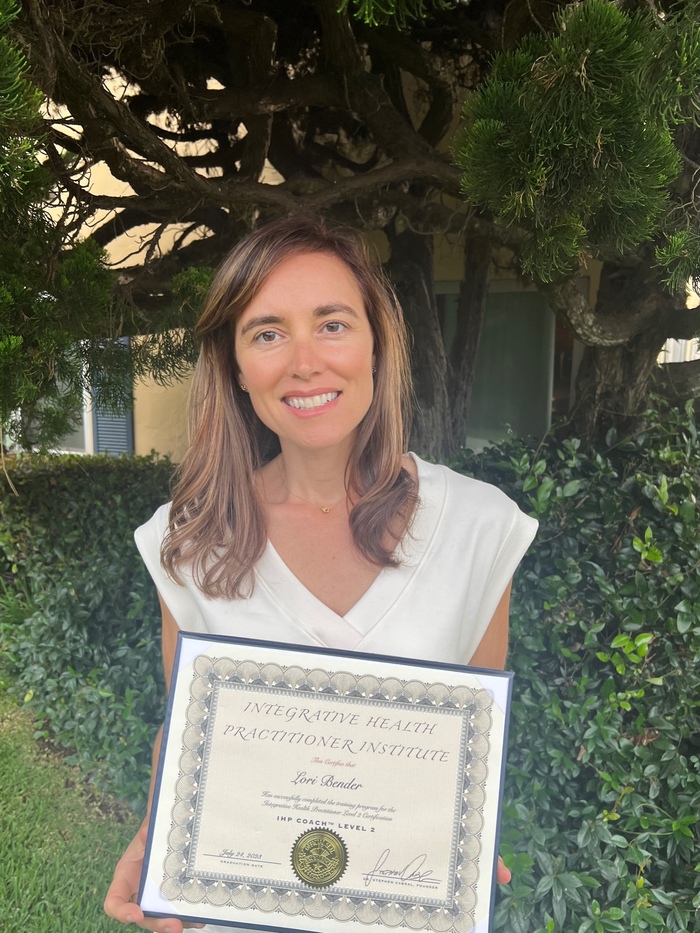
By reviewing lab data alongside symptoms, lifestyle, health history, and wellness goals, you can learn to create more personalized protocols for yourself and the people you love.
Explore Additional Root-Cause Factors With IHP Level 3
IHP Level 3 expands your education into areas such as environmental and mold toxicity, neurotransmitters, sleep, stress, fertility, and menopause.
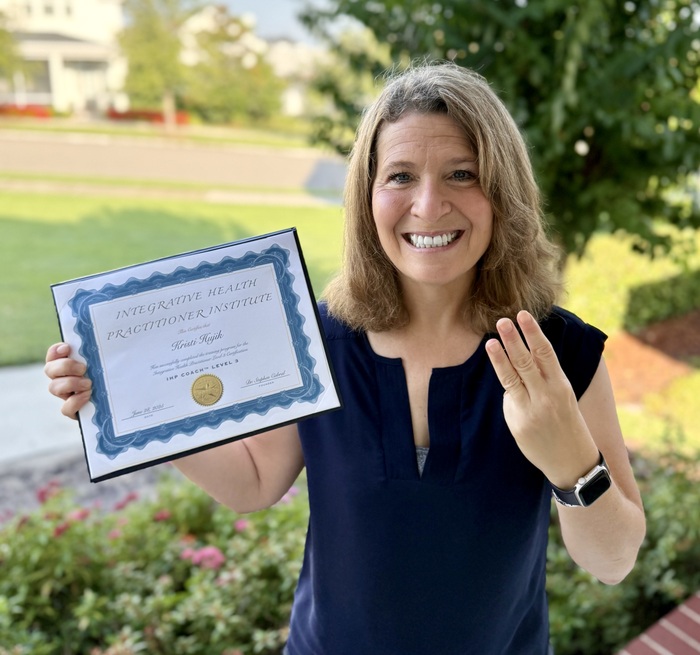
This training can help you recognize how someone’s environment, life stage, emotional well-being, and daily exposures may be influencing their health. At home, that knowledge can lead to more informed questions, intentional changes, and individualized support.
Support Healthy Aging With HPH™
The High Performance Health certification focuses on healthy aging, longevity, and long-term vitality.
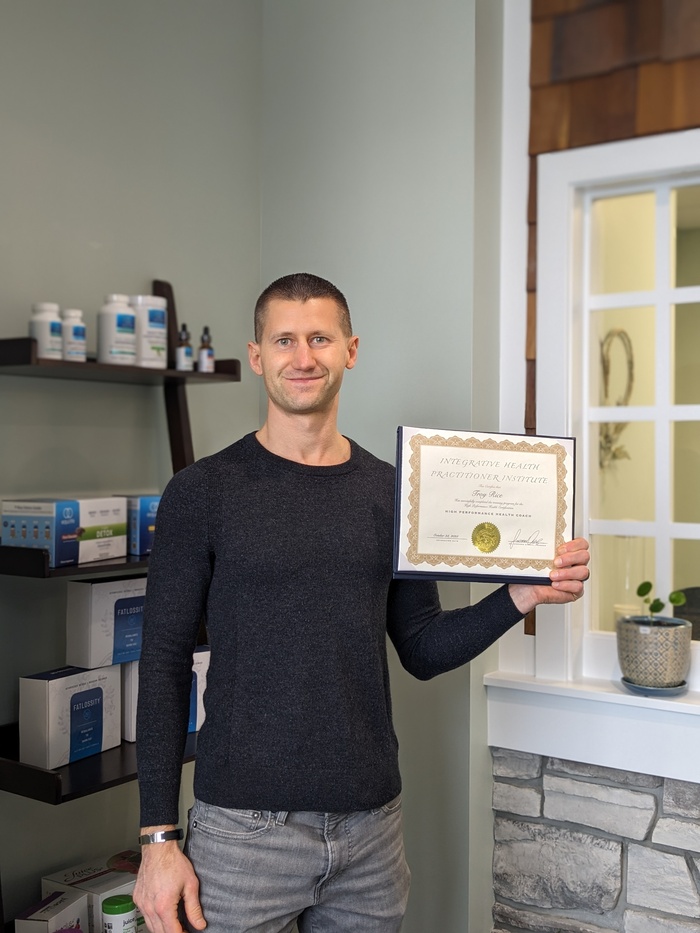
Students explore biological aging, mitochondrial health, genetics, and lifestyle factors that may influence how the body functions over time. This knowledge can help families become more proactive about supporting long-term health.
Bring Your Education Home
Together, these health coaching certifications can teach you how to:
Recognize connections across symptoms, habits, and lifestyle factors
Investigate potential root causes
Use at-home functional lab data within your scope of practice
Create personalized wellness protocols
Establish supportive routines throughout your household
Track changes and refine recommendations over time
Some students pursue IHP certifications because they want to build a professional health coaching practice. Others begin because they want to uncover the potential root causes behind their own symptoms or better support a spouse, child, parent, or other loved one.
For many students, becoming an Integrative Health Practitioner begins with becoming the health coach in their own home.
Frequently Asked Questions
Can I Become a Health Coach to Help My Family?
Yes. Health coach training can help you understand foundational wellness, recognize potential root-cause patterns, establish supportive routines, and make more informed decisions within your home.
Many students begin because they want to improve their own health or help someone they love. Some later use that knowledge to serve clients professionally.
Do I Need a Healthcare Background to Study Integrative Health?
No prior healthcare background is required to begin the IHP certification journey. The curriculum progressively builds your knowledge of integrative health, root-cause wellness, and health coaching.
Can Health Coaches Use Functional Lab Testing?
Health coaches with the appropriate education can use certain at-home functional lab tests within their scope of practice. IHP Level 2 teaches students how to evaluate lab data alongside symptoms, lifestyle patterns, and wellness goals.
What Can the Health Coach in a Home Help With?
The health coach in a home can help family members recognize patterns, establish wellness goals, create healthier routines, remain consistent, and explore foundational factors that may be contributing to how they feel.
Health coaches do not diagnose or treat disease.
Your Family’s Wellness Journey Can Start With You
Becoming the health coach in your home is not about having every answer. It is about gaining the knowledge to look deeper, recognize meaningful patterns, and help the people you love take purposeful steps toward reclaiming their health.

Each nourishing meal, evening walk, earlier bedtime, product swap, and supportive conversation can contribute to a healthier family culture. Together, these choices can change how wellness is understood and practiced throughout your home.
If you are ready to learn how to uncover potential root causes, create personalized wellness protocols, and support your family through integrative health, schedule a call with an IHPI Enrollment Advisor today.