
Integrative Health for Athletes: How to Fuel, Recover, and Perform at Your Best
“Peak performance is not built during the workout alone. It is supported by what you do before, after, and between each session.”
Updated August 2026: This blog was updated with practical guidance around fueling, hydration, recovery, sleep, and stress. We also added information about High Performance Health and how IHP Health Coaches can support active clients.
Two athletes can complete the same workout and respond very differently. One may feel energized and recover quickly, while another struggles with fatigue, soreness, or inconsistent performance. Integrative health for athletes looks beyond training to consider the nutrition, hydration, recovery, sleep, stress, and everyday habits supporting the body behind the performance.
Improving performance is rarely about finding one perfect food, supplement, or workout. Instead, athletes can benefit from looking at the patterns surrounding their training. In this blog, we will explore how an integrative approach can support athletic performance, recovery, and long-term wellness.
Integrative Health for Athletes Starts Beyond the Workout
Training creates the stimulus for progress, but what happens outside the gym matters too. Nutrition, sleep, hydration, stress, and recovery can all influence how prepared an athlete feels for the next session.
An integrative approach may consider:
Daily food intake
Hydration
Sleep quality
Stress levels
Training demands
Recovery practices
Daily energy
Lifestyle routines
These factors rarely operate independently. Poor sleep may affect training energy, while inconsistent eating can leave an athlete feeling depleted. Likewise, increased stress may make recovery more challenging even when the training plan has not changed.
Looking at the whole picture gives athletes more information to work with. Instead of assuming every performance challenge requires harder training, they can examine the habits supporting that training.
1. Build Fueling Habits Around Training
An athlete training several days each week has different needs than someone exercising occasionally. Training volume, intensity, sport, goals, and schedule can all influence what adequate fueling looks like.
A strong foundation begins with consistent, nutrient-dense meals. Depending on individual needs and preferences, those meals may contain quality protein sources, vegetables, fruits, whole-food carbohydrates, and healthy fats.

Carbohydrates provide an important energy source for physical activity, while protein contributes to muscle maintenance and recovery. Healthy fats also support many essential functions throughout the body.
Timing matters as well. Athletes can pay attention to whether they feel adequately fueled before training and whether their post-workout routine supports recovery. If energy consistently drops halfway through a session, examining the hours leading up to the workout can provide useful clues.
Athletic nutrition does not need to become a pursuit of perfection. The goal is to develop eating habits that consistently support the work being asked of the body.
2. Make Hydration Part of the Performance Plan
Hydration can easily become an afterthought until an athlete feels thirsty. However, athletes lose water through sweat, while longer or more intense sessions can also increase electrolyte losses.
That makes hydration something to consider throughout the day. Drinking regularly, keeping water accessible, and preparing for longer workouts can make staying hydrated easier.
Weather, exercise duration, intensity, and individual sweat rates can all influence hydration needs. Therefore, one athlete's routine may look different from another's.
The important part is consistency. Just as athletes plan their training, they can create simple hydration habits that support activity and recovery.
3. Treat Recovery and Sleep as Part of Training
More training is not always better training. The body also needs time and resources to adapt to the demands being placed on it.
Recovery may include:
Consistent sleep
Adequate food intake
Hydration
Rest days
Lower-intensity movement
Mobility work
Stress management
An athlete can follow an excellent program and still struggle if recovery continually falls short. For example, repeatedly sacrificing sleep to squeeze in another workout may eventually work against the original performance goal.
Sleep deserves particular attention because it is one of the body's primary opportunities for recovery. Establishing a consistent bedtime, creating a supportive sleep environment, and developing an evening routine can make rest a more intentional part of an athlete's plan.

Recovery is also a major focus within IHPI's High Performance Health (HPH™) training. HPH explores performance and longevity through areas such as exercise, recovery, cellular energy, metabolism, brain health, and healthy biohacking.
This reinforces a central idea of integrative health for athletes: what happens between workouts can be just as important as the training itself.
For athletes interested in another measure of physical performance, IHPI's VO2 Max: The Key to Unlocking Better Cardiovascular Health explores aerobic capacity and its relationship to cardiovascular fitness and long-term health.
4. Consider the Stress Outside of Training
The body does not experience exercise in isolation. Work, family responsibilities, travel, emotional stress, and poor sleep can add to the demands an athlete is already managing.
This can help explain why the same workout feels manageable one week and unusually difficult the next. The training may not have changed, but the circumstances surrounding it have.
Athletes can benefit from considering their total stress load alongside their workouts. During especially demanding periods, prioritizing sleep, recovery, and supportive routines can become even more important.
Peak performance does not always require pushing harder. Sometimes better performance begins with recognizing where the body needs greater support.
5. Track Patterns and Adjust
Athletes often track mileage, weights, repetitions, times, or other performance metrics. Those numbers can become even more useful when considered alongside everyday wellness habits.
An athlete might also track:
Daily energy
Meals and fueling
Hydration
Sleep
Stress
Recovery
Digestion
General soreness
Over time, repeating patterns may become easier to see. Late nights might regularly precede difficult workouts, while a consistent pre-training meal may support better energy.

The purpose is not to monitor every detail obsessively. Instead, tracking creates feedback that athletes can use to make thoughtful adjustments.
One difficult workout does not necessarily mean something is wrong. However, when the same pattern continues, it may be worth looking at fueling, hydration, recovery, stress, sleep, or several factors together.
How IHP Health Coaches Can Support Active Clients
Many athletes already know they should eat well, sleep enough, stay hydrated, and recover. The challenge is making those habits work alongside training, careers, family life, travel, and other responsibilities.
An IHP Health Coach can help clients examine the wellness habits surrounding their athletic goals. Rather than simply giving them another list of things they “should” do, a coach can help identify patterns and turn wellness education into routines they can realistically maintain.
An IHP Health Coach may help an active client explore:
Meal and fueling consistency
Hydration habits
Sleep routines
Stress management
Recovery practices
Training-day habits
Lifestyle barriers
Progress toward wellness goals
A client might already recognize that better recovery would help their performance. However, knowing something needs to change is different from figuring out how to make it happen consistently. Health Coaching provides education, guidance, and accountability as those new habits take shape.
Through the IHP Level 1 Health Coaching Certification at the Integrative Health Practitioner Institute, students learn Dr. Stephen Cabral's DESTRESS Protocol™, which provides a framework for foundational wellness. Nutrition, exercise, stress reduction, rest, and other lifestyle factors are viewed as interconnected parts of health.
Practitioners can deepen their education through the IHP Level 2 and IHP Level 3 Health Coaching Certifications. For those especially interested in performance, recovery, and longevity, HPH takes that education into areas directly connected with high-performance wellness.
High Performance Health in Practice
Understanding performance principles is one thing. Seeing how another practitioner brings them into a fitness-focused practice can make the possibilities much more tangible.
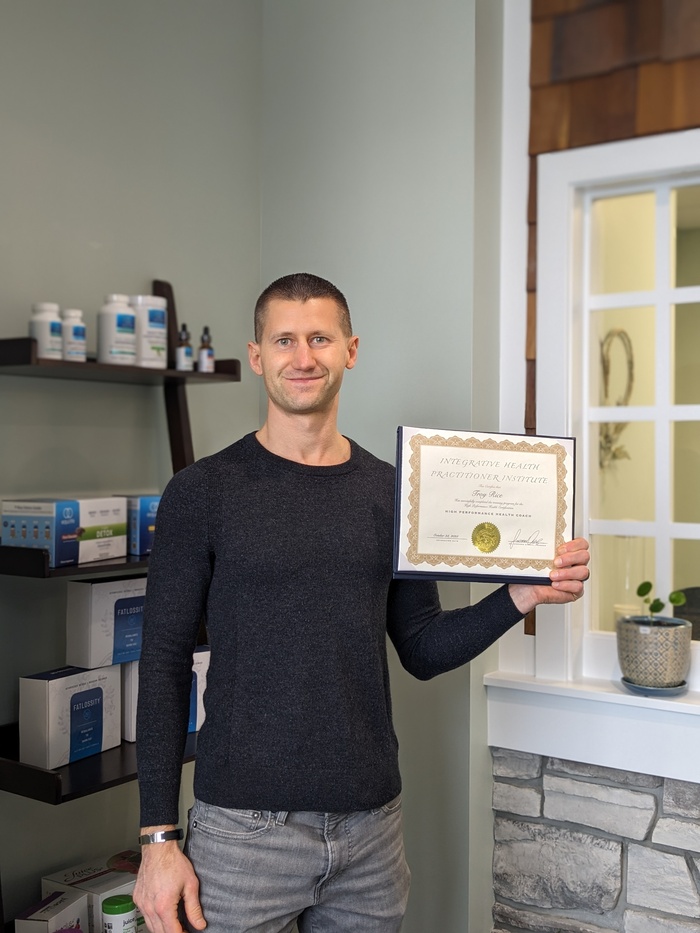
In IHPI Podcast Episode 331, Using Healing Technology & High Performance Health Tools to Serve Your Clients with Mark Anderson, Mark shares his experience combining Integrative Health Practitioner education, High Performance Health, and personal training.
His story demonstrates how fitness and integrative health can complement one another. It also provides an example of how practitioners can think beyond the workout when supporting active clients.
Build Performance From the Inside Out
The workout may be the most visible part of athletic progress, but it is only one piece of the process. Fueling, hydration, sleep, stress management, and recovery all contribute to what an athlete brings into the next training session.

That is why integrative health for athletes focuses on the whole person rather than one isolated performance metric. Athletes do not need to chase a perfect routine. Instead, they can build habits they can repeat, assess, and adjust as their training and lives evolve.
If helping active clients improve their wellness, recovery, and performance feels meaningful to you, the Integrative Health Practitioner Institute can help you build the education behind that work. Schedule a call with an Enrollment Advisor to explore IHPI's Health Coaching Certifications and learn how High Performance Health could fit into your education.