
Metabolic Health Symptoms: Early Warning Signs Most People Miss
“Metabolic health can begin to shift long before you feel like something is wrong.”
You do not have to feel sick for your metabolic health to be moving in the wrong direction.
The first clues can be surprisingly easy to dismiss: needing something sweet every afternoon, feeling exhausted after meals, waking up tired despite spending enough time in bed, noticing more weight around your middle, or struggling when lunch gets pushed back an hour. Each can seem like an ordinary consequence of stress, age, or a demanding schedule. When several changes begin appearing together, they can offer useful clues about how well your body is managing energy.
The more useful question is not simply, “What symptom do I have?” It is, “What could be contributing to this?” Nutrition, sleep, stress, movement, muscle mass, hormones, digestion, recovery, and everyday habits all play a role in metabolic function. Looking across those areas can reveal far more than focusing on one complaint at a time.
In this blog, we will uncover early metabolic health symptoms people commonly overlook, what may be contributing to them, and what you can begin paying attention to through a whole-person, root-cause lens.
Metabolic Health Is About More Than Your Metabolism
When most people hear “metabolism,” they think about how quickly someone burns calories or whether they can lose weight easily. Metabolic health is much broader. It reflects how effectively the body manages and uses energy while adapting to food, movement, sleep, stress, hormones, and daily demands.
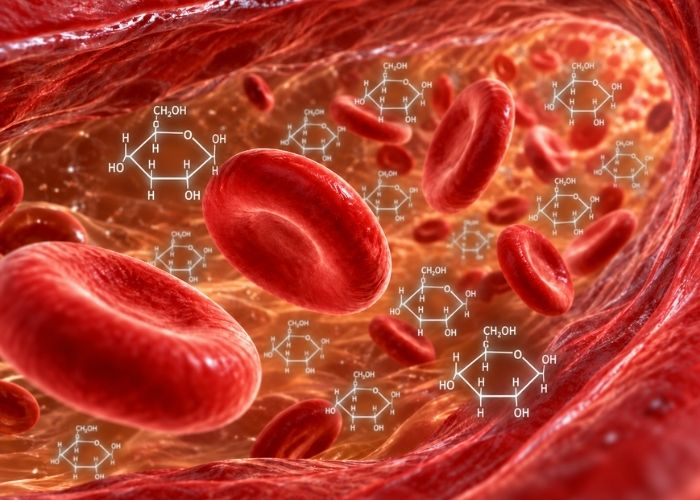
Insulin is part of that picture because it helps glucose move from the bloodstream into cells where it can be used for energy or stored. When the body becomes less responsive to insulin, shifts can begin before someone feels dramatically different. That is one reason seemingly small differences in energy, appetite, sleep, or body composition deserve more attention than they often receive.
1. Your Energy Drops After Eating
A meal should provide energy, yet some people regularly find themselves fighting fatigue or brain fog shortly afterward. An occasional slump after an unusually large meal is different from routinely needing caffeine, wanting to lie down, or struggling to concentrate after lunch.
Rather than blaming one food or assuming the answer is simply “eat fewer carbs,” consider the broader picture. Meal size, protein, fiber, refined carbohydrates, sleep quality, stress, movement, and how frequently you are eating can all shape how you feel afterward.
Our article on blood sugar imbalance symptoms goes deeper into why energy crashes and cravings can sometimes show up together.
A useful place to begin is simply noticing how you feel one to three hours after your regular meals. Which meals leave you alert and satisfied? Which ones seem to be followed by fatigue, brain fog, or another craving?
2. You Are Hungry Again Soon After a Meal
You finished eating not long ago, yet you are already searching for something else. Frequent hunger, intense cravings, or needing something sweet to get through the afternoon can provide useful information about how well a meal is supporting you.

Instead of treating the craving itself as the problem, ask what came before it. Did the meal contain enough protein and fiber? Had you gone too long without eating? Did you sleep poorly the night before? Are cravings stronger during high-stress periods?
Comparing what happens after different meals can be especially revealing. A breakfast dominated by refined carbohydrates may affect your appetite differently from one built around protein, fiber, and nutrient-dense whole foods.
3. Your Waistline Is Changing Even If Your Weight Is Not
The scale does not tell you where body fat is being stored or whether muscle mass is shifting. Someone can remain at roughly the same weight while noticing more around the middle, less muscle tone, or declining strength.
From a root-cause perspective, that deserves a wider view. Activity levels, strength training, sleep, stress, food quality, alcohol intake, hormones, and age can all shape body composition over time.
Pay attention to trends instead of one number. If your waistline is gradually increasing while strength, recovery, sleep, or daily movement are declining, those changes together may tell you more than weight alone.
4. Being Late for a Meal Feels Dramatic
Everyone gets hungry, but there is a difference between noticing hunger and feeling shaky, irritable, foggy, weak, or unable to concentrate whenever a meal gets pushed back. A single experience does not tell you much, but a repeated response can be worth exploring.

One concept related to this is metabolic flexibility, or the body’s ability to adapt to changes in energy demand and fuel availability. Sleep, nutrition, movement, muscle mass, stress, and overall wellness can all affect that adaptability.
Rather than asking whether you can “handle fasting,” pay attention to how your body responds to normal shifts in your routine. That response can provide another piece of the larger picture.
5. Poor Sleep Is Starting to Change Your Day
One poor night of sleep can leave almost anyone reaching for more coffee. Repeated sleep disruption can have a wider effect on appetite, food choices, energy, glucose regulation, motivation to exercise, and recovery.
Notice what happens the next day. Do cravings become stronger? Are you hungrier than usual? Does movement feel harder? Do you reach for more caffeine or quick sources of energy?
Those observations can help you see sleep as part of metabolic health rather than a separate issue. The relationship can also work in the opposite direction, with stress, late meals, alcohol, nighttime hunger, or an inconsistent routine making restorative sleep more difficult.
6. Your Skin May Be Giving You Another Clue
Some changes are visible even when you otherwise feel fine. Darkened, thickened, velvety areas of skin around the neck, armpits, or other body folds are known as acanthosis nigricans and can sometimes be associated with insulin resistance.
Skin tags have also been correlated with metabolic changes, although they can develop for many reasons. The larger point is not to diagnose yourself based on your skin. It is to recognize that the body can communicate through places we do not always think to connect with metabolism.

New or unexplained skin changes are worth discussing with a qualified healthcare professional, particularly when they appear alongside other shifts in energy, appetite, weight, or blood sugar.
7. Some of the Most Useful Clues Are Ones You Cannot Feel
Not every metabolic shift creates an obvious symptom. Blood pressure, fasting glucose, triglycerides, cholesterol patterns, and waist circumference can all move gradually while someone still feels relatively well.
These measurements can add another layer of context to what you are noticing day to day. Rather than viewing one result as simply “good” or “bad,” it can be more useful to consider how numbers are trending over time and what else was happening when they moved.
This is where a root-cause perspective becomes especially helpful. Objective data can be considered alongside nutrition, sleep, stress, movement, symptoms, body composition, and lifestyle rather than being treated as the entire story.
What Can You Actually Pay Attention To?
You do not need a complicated tracking system to become more aware of what your body is telling you. Start with a few repeatable observations over a week or two and watch for trends.
Pay attention to:
How your energy feels one to three hours after meals
How long meals keep you comfortably satisfied
Whether cravings repeatedly appear at certain times
How poor sleep changes your appetite and energy the next day
Whether your waist measurement or body composition is gradually shifting
How well you recover between workouts
Whether strength or muscle appear to be declining
How you feel when a meal is delayed
Whether blood pressure or routine lab markers are gradually trending in a new direction
The value is not in obsessing over each detail. It is in noticing when several areas begin moving at the same time.
Why Looking at One Symptom Can Send You in the Wrong Direction
Imagine someone experiencing afternoon fatigue. It would be easy to assume the solution is simply more sleep or less sugar, but their day might also include an inadequate breakfast, several cups of coffee, prolonged sitting, high stress, poor recovery, and very little resistance training.
That is why whole-person health coaching looks beyond the complaint itself. Nutrition affects energy, sleep shapes appetite, stress changes behavior and physiology, muscle plays a role in how the body handles fuel, and movement supports metabolic function.
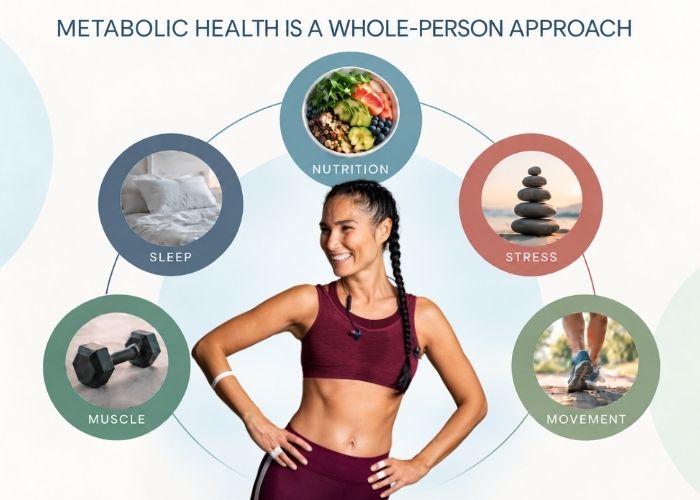
This same principle applies when inflammation is part of the picture. IHPI’s article on 10 Signs of Chronic Inflammation You Shouldn’t Ignore looks at how seemingly unrelated symptoms can sometimes reflect broader imbalances rather than completely separate problems.
IHP Level 1: Learn to Ask Better Questions
This root-cause lens is foundational to the IHP Level 1 Health Coaching Certification. Through Dr. Stephen Cabral’s DESTRESS Protocol™, students learn to look across areas such as nutrition, exercise, stress, toxin exposure, rest, emotional well-being, supplementation, and mindset.
Instead of asking only, “How do I stop the afternoon crash?” an IHP learns to ask what could be driving it. What does the person eat beforehand? How well are they sleeping? How much are they moving? What is happening with stress and recovery?
That shift helps Health Coaches move away from one-size-fits-all recommendations and toward more personalized wellness strategies.
IHP Level 2: Use Additional Data to Look Deeper
Foundational habits can reveal a great deal, but symptoms do not always explain why someone continues to feel poorly. IHP Level 2 teaches students how at-home functional lab testing can add another layer of information alongside client history, symptoms, and lifestyle.

Two people can both experience fatigue, cravings, poor recovery, or changes in body composition and still have very different underlying imbalances. Lab data can help practitioners identify where additional support may be needed instead of assuming the same strategy should work for everyone.
IHPI’s article on functional lab testing education in IHP Level 2 explains how students learn to use at-home testing as part of a more personalized, data-driven wellness approach.
High Performance Health: Look Beyond What Is “Normal”
There is another question worth asking: What if you are not trying to solve an obvious problem, but want to preserve how well your body functions as you age?
Muscle, cardiovascular health, cellular energy, recovery, hormones, cognitive performance, and metabolism all become part of that longevity conversation. The High Performance Health (HPH™) Certification takes that discussion further by focusing on healthspan, biological aging, energy, recovery, and strategies designed to support long-term performance.
The focus shifts from waiting for something to go wrong to asking how well you want to move, think, recover, maintain strength, and function decades from now.
Your Body Often Speaks Before the Problem Feels Obvious
An afternoon crash, stronger cravings, changes around the waist, poor recovery, or a lab value moving in the wrong direction can be easy to dismiss when viewed separately. The more useful information often comes from seeing how those clues relate to one another.

You do not need to treat every symptom as something alarming. You do want to stay curious about what your body repeatedly communicates and what may be contributing to it.
For those who want to learn how to view health through this wider root-cause perspective, IHPI offers a progression from foundational wellness in IHP Level 1, to at-home functional lab testing in IHP Level 2, to longevity-focused education through High Performance Health.
Speak with an IHPI Enrollment Advisor to explore the certification pathway and determine which program best aligns with what you want to learn and how you hope to use it.