
Root-Cause Health Coaching: How IHPI Trains Practitioners to Look Deeper
“Lasting wellness rarely comes from chasing symptoms. It begins when practitioners learn how to ask better questions."
People often come to health coaching after years of feeling unheard. They may have tried diets, supplements, workouts, or quick fixes without lasting change. Yet their symptoms keep returning because no one has looked at the deeper patterns. That is where root-cause health coaching becomes so important. At the Integrative Health Practitioner Institute, students learn a structured way to connect lifestyle, stress, digestion, sleep, nutrition, and functional wellness patterns. In this blog, we explore how IHPI trains practitioners to look deeper and support clients with clarity, confidence, and personalized wellness protocols.
Root-Cause Health Coaching Starts with a Clear Framework
A strong health coach needs more than passion. They need a system.
Without a framework, practitioners may collect symptoms without understanding the bigger picture. One client may mention fatigue. Another may struggle with bloating, poor sleep, cravings, or stubborn weight. At first, these concerns may seem separate.
However, the body does not work in isolated pieces.
The Integrative Health Practitioner Institute teaches students to see the body as an interconnected system. Students learn from Dr. Stephen Cabral, a practicing board certified naturopathic doctor who has spent decades working with clients through a root-cause wellness lens. His clinical experience helps shape the frameworks, wellness protocols, and teaching methods used throughout the IHP Health Coaching Certifications.

Through the IHP Level 1 Health Coaching Certification, students begin with foundational wellness principles and Dr. Cabral’s DESTRESS Protocol™. IHPI describes this protocol as a foundational framework for identifying and addressing root causes of health imbalances.
This matters because clients need more than motivation. They need guidance that helps them understand why their body may feel out of balance.
The DESTRESS Protocol gives students a structured lens for looking at daily habits, stress load, digestion, toxins, emotional wellness, sleep, supplementation, and exercise. As a result, practitioners can begin organizing client concerns instead of guessing what to address first.
Root-Cause Health Coaching Looks Beyond Surface Symptoms
Symptoms are signals. They are not always the whole story.
For example, a client may come in wanting better energy. A surface-level approach may only discuss caffeine, sleep, or food timing. Those areas matter. Yet deeper patterns may also be involved.
The client may have digestive stress. They may have blood sugar swings. They may be under-recovering from chronic stress. They may also have nutrient gaps or toxin exposure affecting their vitality.
This is why IHPI teaches practitioners to ask better questions.
Instead of stopping at “What symptom do you have?” students learn to consider, “What patterns may be contributing to this?” That shift changes the entire coaching conversation.

It also helps practitioners avoid one-size-fits-all recommendations.
Two clients can have the same symptom for very different reasons. One person’s fatigue may connect to poor sleep quality. Another person’s fatigue may connect to stress, digestion, or metabolic challenges. Therefore, practitioners need a broader framework.
IHPI’s certification pathway supports that progression. Students can begin with foundational wellness principles, then expand into at-home functional lab testing and advanced lab skills through higher levels of training. IHPI describes its programs as teaching root-cause wellness, functional lab analysis, and integrative health coaching.
The IHP Level 1 Health Coaching Certification Builds the Foundation
Every practitioner needs a solid starting point.
The IHP Level 1 Health Coaching Certification introduces students to foundational health principles through a step-by-step educational structure. IHPI’s Level 1 page lists 10 modules, 100+ handouts, 40+ hours, and foundational protocols.
This foundation is important because many people enter health coaching with a desire to help others. However, desire alone does not create confidence.
Students need to understand how daily choices affect the body. They also need tools that help clients take practical next steps.
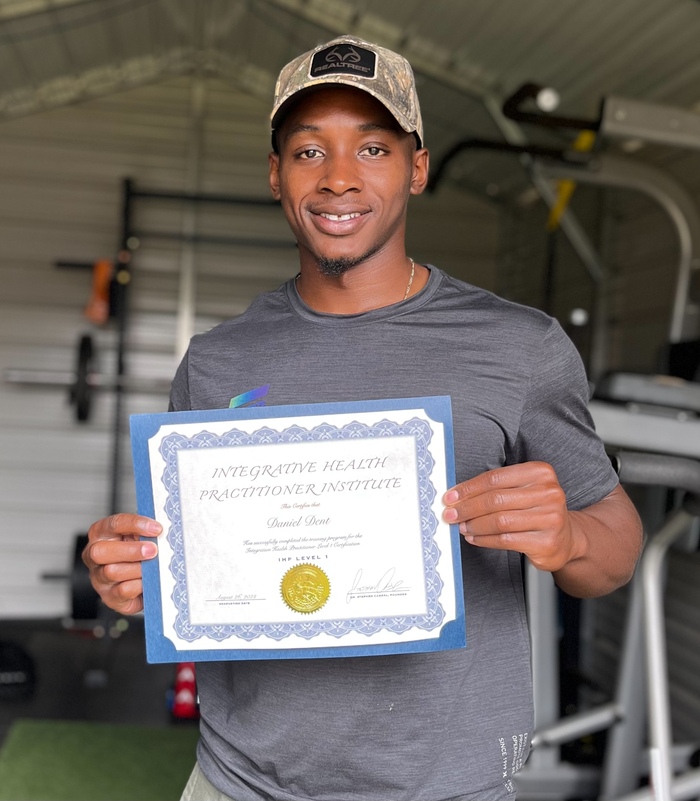
Through IHP Level 1, students learn how to support foundational wellness. They begin understanding how lifestyle habits influence energy, digestion, stress resilience, sleep, and overall vitality. In addition, IHP Level 1 helps students build the language of integrative health. This allows them to explain wellness concepts in a way clients can actually understand.
That skill matters.
A practitioner may know a lot about health. Yet if they cannot communicate clearly, clients may feel overwhelmed. IHPI helps students turn complex ideas into practical coaching conversations.
The IHP Level 2 Health Coaching Certification Expands into Functional Labs
Once students build their foundation, they can go deeper.
The IHP Level 2 Health Coaching Certification teaches students how to use at-home functional lab testing to uncover hidden health imbalances. IHP Level 2 includes education around gut health, hormone balance, adrenal stress, nutritional deficiencies, metabolic challenges, food sensitivities, detoxification pathways, inflammation, and oxidative stress.
After graduation, IHP Level 2 Health Coaching Certification graduates also receive access to purchase at-home functional medicine labs for their practice that they can offer to clients. This gives practitioners a practical way to bring functional lab insights into their work while helping clients access deeper wellness data from the comfort of home.
This is where many practitioners begin connecting client concerns with measurable patterns.
At-home functional lab education can help practitioners move beyond assumptions. Instead of relying only on symptoms, students learn how lab insights may reveal stress patterns, digestive imbalances, detoxification challenges, or other wellness concerns.
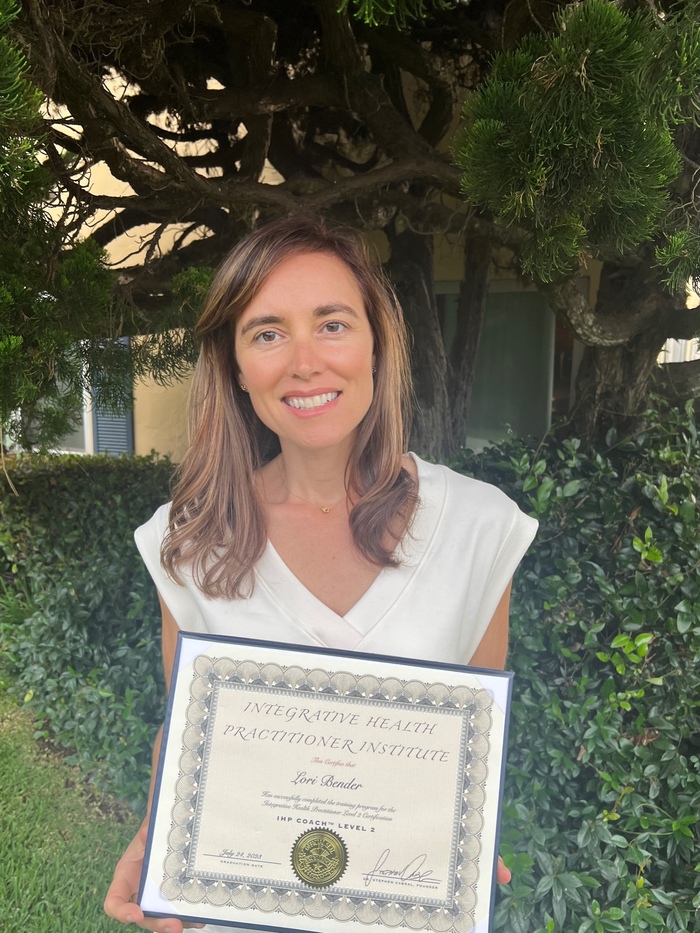
IHP Level 2 also teaches biomarker pattern analysis. At IHPI, students learn how reading biomarkers can show stress patterns affecting digestion, hormones, metabolism, and detoxification.
This creates a more personalized approach.
Rather than offering the same wellness protocol to every client, practitioners can better understand what each person may need. This supports more thoughtful education and coaching.
At-Home Functional Labs Help Practitioners Personalize Wellness Protocols
Data can be powerful when practitioners know how to use it.
Many clients feel frustrated because they have tried general wellness advice. They may have eaten cleaner, exercised harder, or taken supplements without understanding their body’s needs.
At-home functional lab testing can offer another layer of insight.
IHPI’s Level 2 Certification teaches students how to combine at-home lab insights with the DESTRESS Protocol framework. The program also teaches personalized wellness protocols developed from extensive client appointments and biomarker data.
This does not mean practitioners diagnose or treat disease. Health coaches must stay within their appropriate scope.
However, it does mean practitioners can learn to educate clients with more clarity. They can help clients understand wellness patterns, lifestyle choices, and foundational support strategies.
That is where skilled coaching becomes so valuable.
Clients often need someone who can simplify the process. They need someone who can help them take the next step without feeling overwhelmed.
The IHP Level 3 Health Coaching Certification Supports Advanced Growth
Some practitioners want to keep expanding their skills.
The IHP Level 3 Health Coaching Certification builds on IHP Levels 1 and 2. IHP Level 3 offers advanced training that expands skills in functional health coaching and advanced lab reading. It also includes advanced topics such as toxic burden, neurological imbalances, sleep disruption, environmental toxicity, and fertility concerns.
This progression matters because practitioner growth should not stop at the basics.
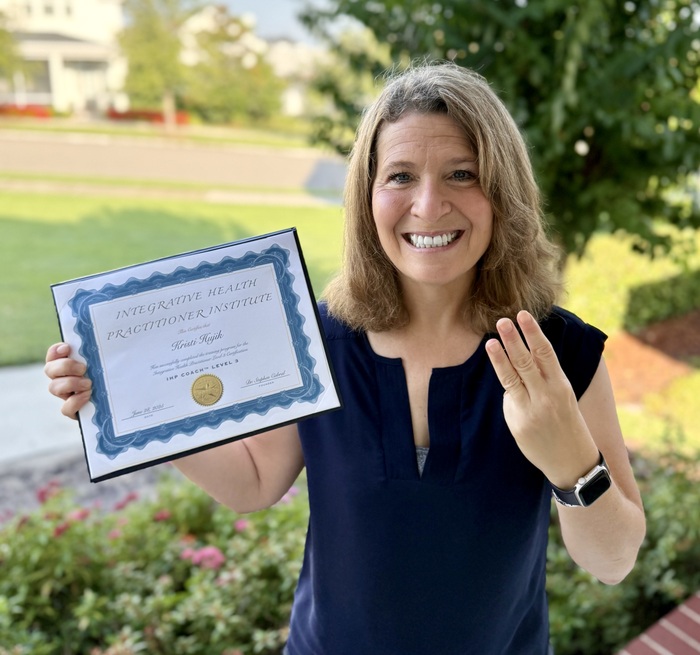
As coaches gain experience, they may work with clients who have more layered wellness concerns. These clients often need a practitioner who can think more deeply, stay organized, and understand complex patterns.
IHP Level 3 helps practitioners strengthen that ability.
It also reflects IHPI’s broader educational pathway. Students can begin with foundational wellness, move into at-home functional lab testing, and continue into advanced skills as they grow.
A Structured Path Builds Practitioner Confidence
Confidence does not come from memorizing facts.
It comes from knowing what to do with those facts.
New practitioners often worry about whether they know enough. They may wonder how to guide a client through complicated concerns. They may also feel unsure about where to begin.
A structured certification pathway helps reduce that uncertainty.
The Integrative Health Practitioner Institute gives students a progression. IHP Level 1 builds the foundation. IHP Level 2 expands into at-home functional lab testing. Furthermore, IHP Level 3 deepens advanced lab and complex case skills.
Each step helps students organize what they are learning.
That organization matters because clients need clarity. They do not need more confusion. They need a practitioner who can listen, educate, and guide them through practical next steps.
When practitioners feel grounded, they can serve more effectively.
Personalized Wellness Protocols Turn Knowledge into Action
Education alone does not change lives.
Clients need practical application.
That is why personalized wellness protocols are central to the IHPI training experience. Students learn how to connect client concerns, lifestyle patterns, and functional wellness insights. Then they can support clients with a plan that feels clear and realistic.
This approach also helps clients feel seen.

Instead of receiving generic advice, they receive guidance that reflects their story. Their stress matters. Their sleep matters. Their digestion matters. Their environment matters. Their habits matter.
When practitioners learn to look at the full picture, clients often feel hopeful again.
That hope is powerful.
It reminds people that their body is not broken. It may simply be asking for deeper support.
Deeper Questions Create Better Support
Clients do not need another quick fix. They need someone who can help them understand what their body may be communicating.
That is the heart of IHPI’s approach.
Through foundational wellness principles, the DESTRESS Protocol, at-home functional lab testing, and personalized wellness protocols, students learn how to look deeper. They learn how to connect patterns. They learn how to support clients with confidence.
Most importantly, they learn that lasting wellness requires more than symptom chasing.
It requires curiosity, structure, education, and action.
If you feel called to help others in this way, the IHP Health Coaching Certifications can help you begin that path. Schedule a call with an Enrollment Advisor to learn which certification pathway is right for you.
Then, read Dawn Marie Plotts’ story next: Practitioner Growth: How Dawn Marie Plotts Went All-In and Built a Scalable Practice. Her journey shows how root-cause thinking, continued education, and clear systems helped her step fully into her role as an Integrative Health Practitioner and build a practice with deeper purpose.