
Holistic Health Coaching & Alternative Healing Modalities
“You do not have to leave behind the way you already help people to expand what you understand about their health.”
What happens when the modality you trained in is no longer the only thing your clients want to talk about? For professionals working in alternative healing modalities such as Reiki, acupuncture, chiropractic care, breathwork, massage therapy, or NAET, that moment can come sooner than expected. A client may arrive for one specific service, then begin asking about sleep, stress, nutrition, toxins, energy, exercise habits, supplements, or daily routines.
Suddenly, the conversation extends beyond the original modality. You may understand why those areas deserve attention, but recognizing their importance and knowing how to coach someone through them are two different things. That is where holistic health coaching can add another layer to your professional education.
Health coaching does not have to replace the work you already do. It can give you a framework for understanding lifestyle, behavior, and whole-person wellness from another perspective. In this blog, we will explore where health coaching and alternative healing modalities can complement one another, what additional education can add, and how IHPI helps professionals build upon the foundation they already have.
Where Do Alternative Healing Modalities and Health Coaching Overlap?
Reiki professionals, acupuncturists, chiropractors, breathwork facilitators, massage therapists, and NAET providers enter wellness from very different backgrounds. Their training, scope, credentialing, and methods can vary considerably. What they may share is regular exposure to clients whose wellness questions extend beyond one service or appointment.

Someone receiving massage may mention persistent fatigue or poor sleep, while a chiropractic patient may bring up brain fog, low energy, or changes in exercise tolerance. A Reiki or breathwork client might talk about digestive complaints, stress, or difficulty maintaining healthy routines. As these conversations become more common, wellness professionals may begin looking for additional education that helps them better understand the lifestyle patterns and whole-person factors clients are already asking about.
Holistic health coaching can provide that framework without changing the purpose of the original profession. It creates another way to explore lifestyle patterns, behavior, and longer-term wellness goals. The individual gains another skill set while their existing modality retains its own role.
Why Do Professionals Expand Beyond One Modality?
Working with clients often reveals how connected daily habits can be. Nutrition can influence energy, stress can affect sleep and behavior, and movement, environment, mindset, and routines can all become part of someone's larger wellness picture. Hearing these questions repeatedly can show someone where they want a deeper understanding.
The goal is not necessarily to collect more certifications. Often, it is to understand more of the person they are helping, which is also central to root-cause health coaching. Instead of asking only, “What can I do within my current modality?” the question may become, “What else do I want to understand about the person I am supporting?”
What Is Holistic Health Coaching?
Holistic health coaching considers multiple areas of a person's lifestyle rather than focusing on one behavior or goal in isolation. A health coach may help clients explore nutrition, movement, stress, sleep, environment, mindset, routines, and other lifestyle factors. The focus is on helping clients recognize patterns, make informed choices, and work toward sustainable changes.
That differs from practicing a specific modality or licensed profession. A modality provides a particular type of service, while health coaching offers a framework for examining lifestyle patterns and supporting behavior change. Someone can therefore develop expertise in both without treating the two as interchangeable.
Can You Combine Health Coaching With Another Healing Modality?
Yes. Someone can pursue health coaching education while continuing the work they already do in Reiki, acupuncture, chiropractic care, massage therapy, breathwork, or NAET. Health coaching adds another area of knowledge and another way to support clients rather than replacing the training they already have.
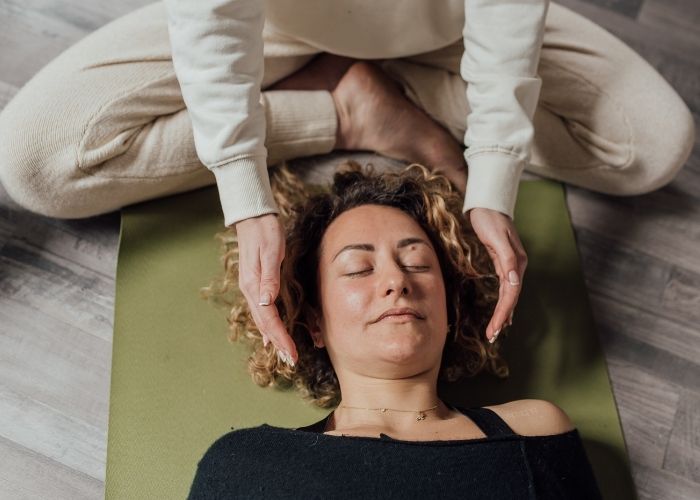
The value can look different depending on the profession, but many professionals are looking for a better way to understand what may be contributing to the concerns clients bring them. That can include patterns involving digestion, stress, sleep, nutrient status, environmental exposures, hormone balance, and other lifestyle factors that may influence concerns such as headaches, sleep disturbances, or mood imbalances. Integrative health coaching gives them a framework for looking beyond the surface concern and considering the broader wellness picture.
Does Adding Health Coaching Mean Giving Up Your Current Practice?
No. Some professionals continue offering their original services while adding health coaching separately, while others eventually make coaching a larger part of their work. There is no single path that everyone has to follow.
A massage therapist might build a separate coaching program, while a chiropractor or acupuncturist could use coaching to support longer-term lifestyle goals. A Reiki professional, breathwork facilitator, or NAET provider might also decide that health coaching gives them another way to work with clients outside their original modality. For some, coaching remains complementary to their existing work, while for others it becomes a new career direction.
That transition can happen gradually. In Health Coach Success Episode 345, IHP and massage therapist Tricia Irvine-Stopes shares how she combined health coaching with her existing spa and massage services. Her experience shows that becoming an IHP does not require abandoning the work you have already built; it can create new possibilities for how that work evolves.
What Does an Integrative Approach Add?
Integrative health considers how different areas of someone's life may relate to one another. Food, sleep, stress, movement, environment, and emotional well-being are not always experienced as separate categories. Looking at those areas together can provide a more complete picture of the lifestyle patterns a client is navigating.

Health coaching then helps clients turn greater awareness into action. Knowing what to do does not always mean someone will follow through, which is why consistency and behavior change are important parts of the coaching process. Health Coach Success Episode 429 explores this further by looking at some of the barriers that can keep clients from turning intention into action.
Does IHPI Teach These Alternative Healing Modalities?
No. The Integrative Health Practitioner Institute does not provide certification in Reiki, acupuncture, chiropractic care, massage therapy, breathwork, or NAET. Instead, IHPI gives professionals from these backgrounds the opportunity to add integrative health coaching training to the experience they already have.
For someone who is already helping clients, becoming an Integrative Health Practitioner can open a new path for how that support grows. You can build your knowledge of whole-person wellness, lifestyle factors, behavior change, and functional health while gaining another way to work with clients. For some, that means adding health coaching alongside an existing practice; for others, it can become the beginning of an entirely new direction.
How Does IHP Level 1 Build a Whole-Person Foundation?
At the Integrative Health Practitioner Institute, that foundation begins with IHP Level 1. Students learn Stephen Cabral's DESTRESS Protocol™, which provides a whole-person framework for exploring:
Diet
Exercise
Stress reduction
Toxin removal
Rest
Emotional balance
Scientifically backed supplementation
Success mindset
IHP Level 1 teaches students to consider these areas together rather than viewing each one as an isolated part of wellness. For someone entering IHPI with another professional background, this creates a foundation in integrative health coaching that can complement the knowledge and experience they already have. It also gives students a more structured way to approach the lifestyle factors that often come up in client conversations.

As students move through Level 1, they begin learning to look beyond a single symptom or concern and consider the patterns that may be influencing the bigger picture. Nutrition, stress, sleep, movement, environment, mindset, and other areas of wellness can all become part of that exploration. This whole-person perspective can help future IHPs ask better questions, recognize meaningful patterns, and guide more informed client conversations.
What Does IHP Level 2 Add?
For those who want to go further, IHP Level 2 builds on the IHP Level 1 foundation with education around seven at-home functional lab tests. Students learn to review this wellness data alongside client history, nutrition, stress, sleep, lifestyle patterns, and individual goals. This introduces another source of information that can help trained IHPs personalize their coaching approach.
Those interested in functional lab testing education can learn more about how IHP Level 2 approaches this part of integrative health. Health Coach Success Episode 414 also discusses how at-home lab testing can fit within a health coaching practice. IHPs continue to work within their professional scope and do not diagnose disease or practice medicine.
Can Your IHP Education Continue to Grow?
IHP Level 1 and IHP Level 2 do not have to mark the end of someone's training with IHPI. Those who want to continue building their knowledge can explore areas such as environmental toxicities, mold, neurotransmitters, menopause, and fertility through IHP Level 3, while IHP Mastery focuses more deeply on coaching psychology.
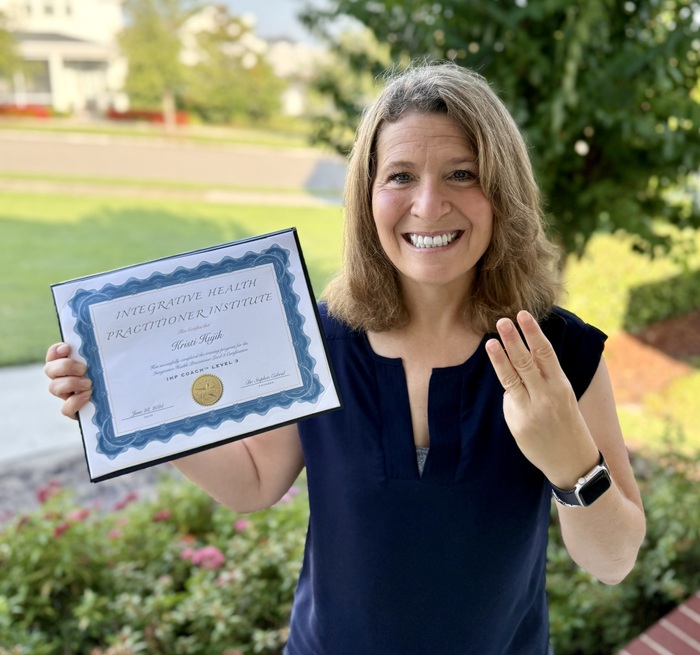
Other paths can support different professional goals. IHP+ provides an NBHWC-approved training pathway for those interested in becoming eligible to pursue the NBC-HWC credential, while High Performance Health (HPH™) offers a separate certification for those who want to deepen their understanding of longevity, healthspan, and strategies designed to support healthier aging.
The value of IHPI's educational pathway is flexibility. Someone may begin by wanting a stronger foundation in whole-person wellness, then discover an interest in at-home functional labs, environmental health, coaching psychology, board certification, or longevity. That allows their learning to evolve alongside the kind of health coach they want to become.
Is Holistic Health Coaching the Right Next Step?
Health coaching may be worth exploring if you frequently receive lifestyle questions outside your current training or want a stronger foundation in whole-person wellness. It may also appeal to professionals who want to expand the ways they support clients without abandoning the work they already do.
You may be ready to explore health coaching if you want to:
Better understand nutrition, stress, sleep, movement, and daily habits
Develop stronger skills around behavior change and accountability
Add a whole-person framework to your existing work
Learn more about functional health and at-home lab testing
Create an additional service within your wellness business
Feel more prepared for the questions clients are already bringing to you
The purpose should be to fill a meaningful educational need rather than simply add another credential. When comparing certifications, consider what you will actually learn, how clearly the program defines professional scope, and whether the education gives you room to continue growing.
From One Modality to a Broader View of Wellness
Many careers in holistic health begin with one way of helping people, whether that is Reiki, acupuncture, chiropractic care, breathwork, massage therapy, or NAET. That original path can remain an important part of someone's professional identity without becoming the endpoint of their education. As they work with more people, the questions they encounter often become more complex.
At some point, the desire to help can become a desire to understand more about the person behind those questions. You may want greater insight into nutrition, sleep, stress, movement, lifestyle patterns, functional wellness, or the behaviors that influence whether someone follows through. That curiosity can open an entirely new direction for your work.

You do not have to choose between the professional you already are and the person you could become next. Additional training can build upon the experience, relationships, and perspective you have already developed. For some, becoming an Integrative Health Practitioner is the next step toward feeling more prepared for the questions their clients are already bringing to them.
Frequently Asked Questions
Can You Combine Health Coaching With Reiki?
Yes. Reiki professionals can add health coaching education while continuing to offer Reiki as part of their work. Health coaching can expand their knowledge of lifestyle, behavior change, nutrition, toxin removal, stress, sleep, movement, and wellness goals, giving them another way to support clients beyond the Reiki session.
Can Chiropractors and Acupuncturists Become Health Coaches?
Yes. Chiropractors and acupuncturists can add health coaching education to the knowledge and experience they already have. It can give them another way to support clients around lifestyle, healthy habits, accountability, and long-term wellness goals.
What Is the Difference Between IHP Level 1 and IHP Level 2?
IHP Level 1 establishes the foundation through the DESTRESS Protocol and an integrative approach to lifestyle and wellness. IHP Level 2 builds on that knowledge by teaching students how to review seven at-home functional lab tests within a multidisciplinary health coaching framework. Together, the two levels move from foundational lifestyle education into more personalized functional wellness information.

Ready to Explore Your Next Step?
If you are wondering what that next step could look like for you, schedule a call with an IHPI Enrollment Advisor. Our team can walk you through IHP Level 1, IHP Level 2, and the additional certification options available through IHPI so you can understand which path best aligns with your background and goals. There is no pressure to have the answer before the call; the conversation is designed to help you determine what makes sense for the health professional you want to become.